

10 uncomplicated to grow flowers for pest control
Planting flowers in or near your vegetable garden does more than just add some pretty color among the greenery. This companion planting strategy can facilitate control annoying insect pests that damage plants and affect harvests.
Here are 10 flowers you should plant in your vegetable garden to ensure a constant supply of flowers. WITH live marigolds to attractive sunflowers and perfumed sweet alissum, these flowers make pest control seem uncomplicated.
Below is an excerpt Well Vegetable Garden by Sally Morgan. It has been adapted for employ on the Internet.
There are some flowers that I can never be without and fortunately they are uncomplicated to grow from seeds. My TOP 10 will provide you with a constant supply of flowers from early spring to autumn. Banks of these flowers around the growing area will ensure that predatory insects do not have to travel far in search of food.
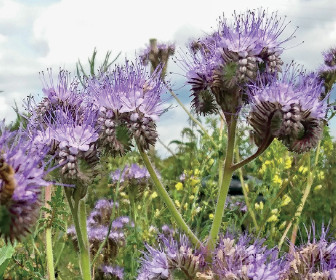

1. Phacelia (Phacelia tanacetifolia)
Predatory insects simply love this plant. It’s great for bees, but research has shown that phacelia is also the best flower for attracting parasitic hoverflies, so they spend longer on the plot, lay eggs and hunt.
Research in Europe shows that phacelia corridors in sugar beet fields result in fewer bean aphids due to higher numbers of parasitic hoverflies, while growing buckwheat and phacelia in Swiss cabbage fields increases the population of parasitic wasps that attack cabbage aphids.
Phacelia seeds are uncomplicated to sow; simply scatter the seeds when you have a patch of bare ground in delayed summer and fall and you will get early spring flowers, then sow again in spring for later in the year.
And if you allow it to self-sow, you will have a constant supply of flowers throughout the plot. Learn to recognize frilly leaves and you can simply hoe seedlings you don’t want.
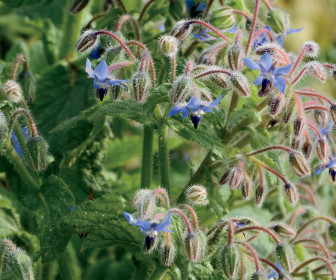

2. Borage (Borago officinalis)
It is claimed that borage can produce nectar faster than any other plant. I don’t know if this is true, but I can confidently say that in early spring my borage is full of all kinds of bees, as well as ladybugs and other predators.
Once you have sown, you don’t need to sow again unless you are a very tidy gardener. Mine have planted seeds everywhere, so the only question is which one to leave.
They grow into immense, spreading plants, so where I let them grow depends on that. It is also a useful companion plant, producing flowers from early spring to delayed autumn.
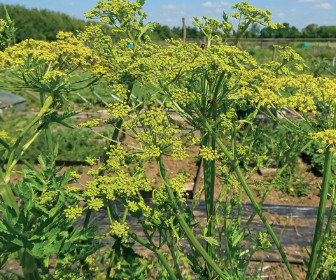

3. Parsnips (Pastinaca sativa)
In delayed spring, the open canopies of yellow flowers really attract insects.
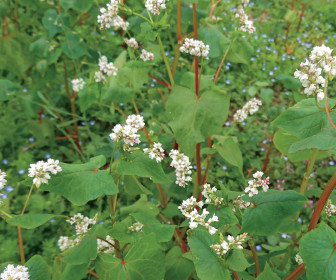

4. Buckwheat (Fagopyrum esculentum)
This plant blooms the longest, up to three months, which can last until delayed summer when many other flowers give up. Buckwheat is drought-resistant, so it also helps in desiccated summers, when lack of water can destroy annual crops. Sow in delayed spring to early summer for flowers from early summer to early fall.
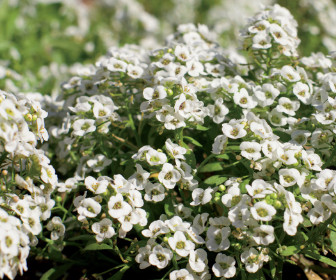

5. Sweet alyssum (Lobularia maritima)
This low-growing annual plant produces a carpet of white, perfumed flowers. This is uncomplicated to determine; simply scatter the seeds on a piece of bare soil. It blooms from delayed spring to delayed summer. Sweet alyssum not only attracts predators, but the carpet of plants protects the soil with living mulch in summer and limits water loss.
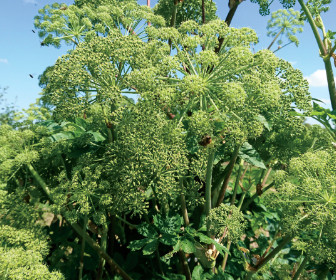

6. Angelica spp.
During this two-year cycle, the most amazing statuesque flower stalks are produced in spring, attracting bees, hoverflies, ladybugs and parasitic wasps. It likes shady places with wet, mulched soil. Seeds sown in fall or delayed spring will grow the first year and flower the following spring.
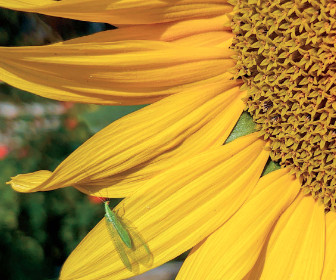

7. Sunflower (Helianthus spp.)
Who doesn’t love seeing huge yellow sunflower heads?
They attract a steady stream of visiting insects, not only bees and bumblebees, but also lacewings and ladybugs. But sunflowers are not good for hoverflies. Many different varieties can be grown: some dwarf, others multi-stemmed, as well as the typical giant sunflower. Sow in spring to produce flowers from mid-summer to early fall. Also consider perennial members of the sunflower family, including Jerusalem artichoke (Helianthus perennis), which blooms delayed in the season and has the added benefit of edible tubers, and the Maxmillian sunflower (Helianthus maximiliani), a elevated, drought-tolerant perennial with masses of vivid yellow flowers from delayed summer through fall that attract both butterflies and birds.
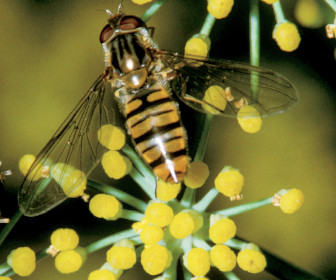

8. Fennel
It can be grown as an annual or perennial. Like parsnips, its yellow-flowered canopies are perfect for pollinators in delayed spring and early summer. It’s easiest to let some of your fennel crop go to seed, so you’ll never get rid of it, or you can buy more ornamental, perennial purple fennel.
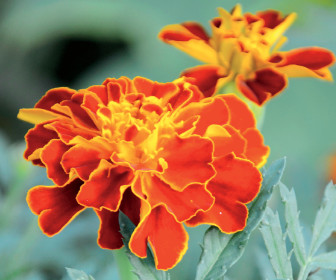

9. Marigolds (Tagetes and Calendula spp.)
There are many different marigolds in the garden, including African, French and potted marigolds. All are uncomplicated to sow, most are self-seeding and attract bees and hoverflies. Potted marigolds (Calendula officinalis) bloom from mid-spring until the first frost, while French and African marigolds (Tagetes patula and T. erecta, respectively) bloom from summer to fall. My French marigolds in the polytunnel often bloom until early winter.
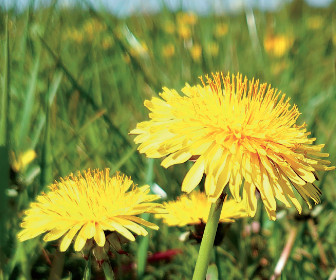

10. Dandelion (Taraxacum officinale)
The dandelion, considered a weed by many gardeners, is actually a beneficial plant because it blooms early, providing a vital supply of nectar, and the leaves are edible and full of nutrients. Try this idea around raspberries. Plant dandelions between rows of summer raspberries to attract pollinators. You get a sequence of flowers: first dandelions, then raspberries, then other berries like blackberries. After flowering, the dandelion should be mowed to prevent the seeds from spreading. Dandelion has deep roots, so it absorbs minerals from the ground and easily competes with other weeds. It is much easier to let dandelions take over other weeds than to dig them out of the ground.